Wet Crawl Space Oregon: How to Tell If Your Oregon Crawl Space Has a Moisture Problem
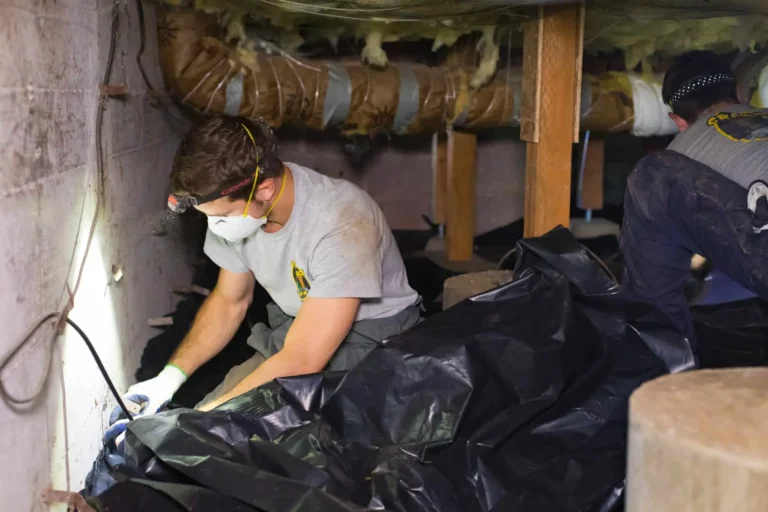
Oregon’s rainy climate, damp soil conditions, and older home foundations make crawl space moisture problems a common concern for homeowners. A wet crawl space that Oregon homeowners ignore can lead to musty odors, mold growth, wood rot, sagging floors, insulation damage, and poor indoor air quality.
The good news is that moisture problems are easier to manage when caught early. Knowing what to look for can help you protect your home, avoid larger repairs, and decide when it is time to schedule a professional crawl space inspection.
Below are the most common signs, causes, risks, and repair options for wet crawl spaces in Oregon.
Why Wet Crawl Spaces Are Common in Oregon
Oregon homes are exposed to long rainy seasons, high humidity, and soil that can hold moisture around the foundation. When water collects near the home or enters through vents, cracks, or exposed soil, the crawl space can become damp or wet.
A wet crawl space Oregon homeowners experience is often caused by more than one issue. Poor drainage, missing vapor barriers, plumbing leaks, clogged gutters, and foundation grading problems can all contribute to excess moisture below the home.
Homes with older crawl spaces are especially vulnerable because many were built before modern waterproofing, drainage, and encapsulation methods became common.
Signs Your Crawl Space Has Moisture Problems
Crawl space moisture problems are not always obvious at first. Sometimes the warning signs appear inside the home before you ever look under the floor.
Common signs include:
- Musty crawl space smell inside the home
- Damp or humid indoor air
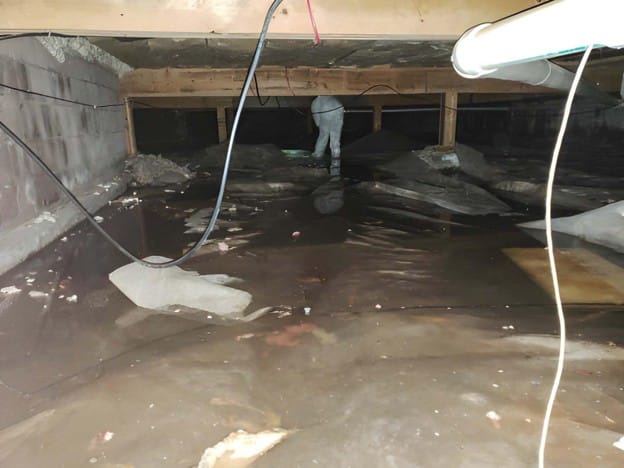
- Standing water in crawl space areas
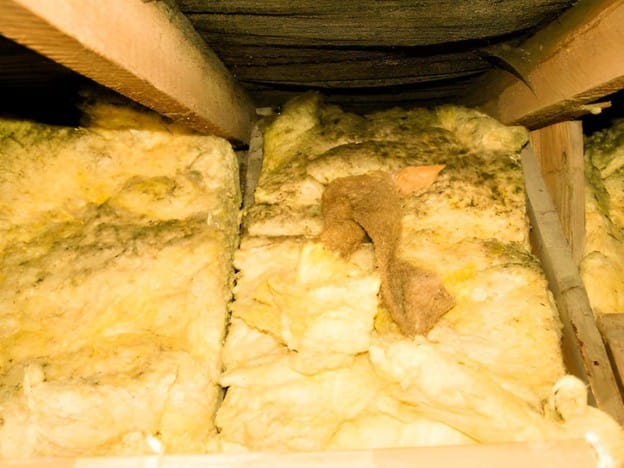
- Mold or mildew on wood, insulation, or foundation walls
- Sagging, soft, or uneven floors
- Rust on metal supports, pipes, or HVAC components
- Pest activity under the home
- Wet or fallen insulation
- Condensation on ductwork or pipes
- Higher heating and cooling costs
If you notice any of these symptoms, your crawl space may need professional evaluation.
Musty Odors and Poor Indoor Air Quality
A musty smell is one of the most common signs of crawl space moisture problems. Because air can move from the crawl space into the living area, odors from damp soil, mold, mildew, or decaying wood may enter your home.
Moisture can also contribute to mold and moisture problems, which may affect indoor comfort and air quality. The EPA explains that moisture control is an important part of managing mold growth in homes. Learn more from the EPA’s guide on mold and moisture problems. If your home smells musty even after cleaning, the source may be below the floor.
Standing Water in the Crawl Space
Standing water in crawl space areas is a clear sign that moisture is entering or collecting where it should not. Even a small amount of water can create long-term problems if it remains under the home.
Standing water may come from:
- Heavy rain runoff
- Poor exterior drainage
- Downspouts are draining too close to the foundation
- Low crawl space grading
- Groundwater seepage
- Plumbing leaks
- Missing or damaged vapor barriers
If water is present after storms, a crawl space drainage system or sump pump may be needed to move water away from the home.
Mold, Mildew, and Wood Rot
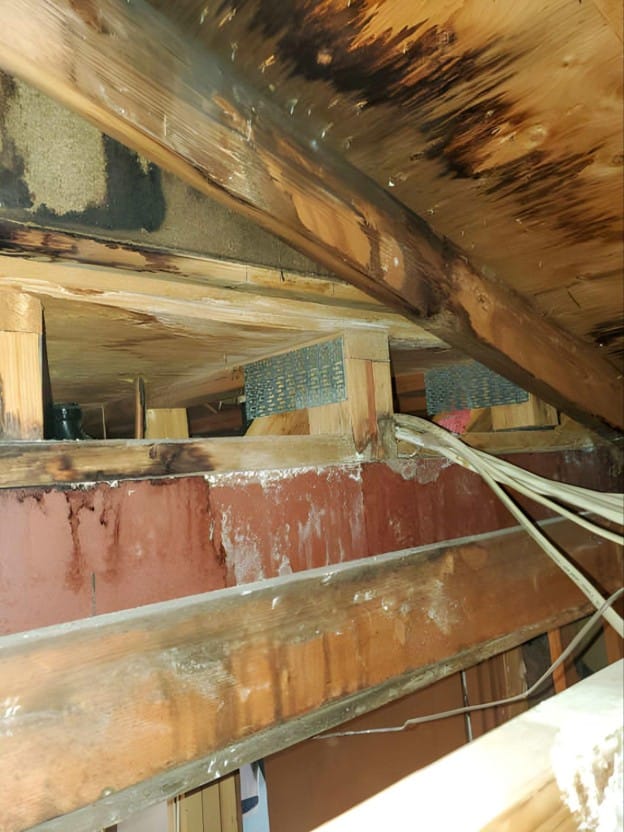
When moisture stays trapped in a crawl space, mold and mildew can grow on wood framing, insulation, and other surfaces. Over time, damp wood may begin to rot, weaken, or attract pests.
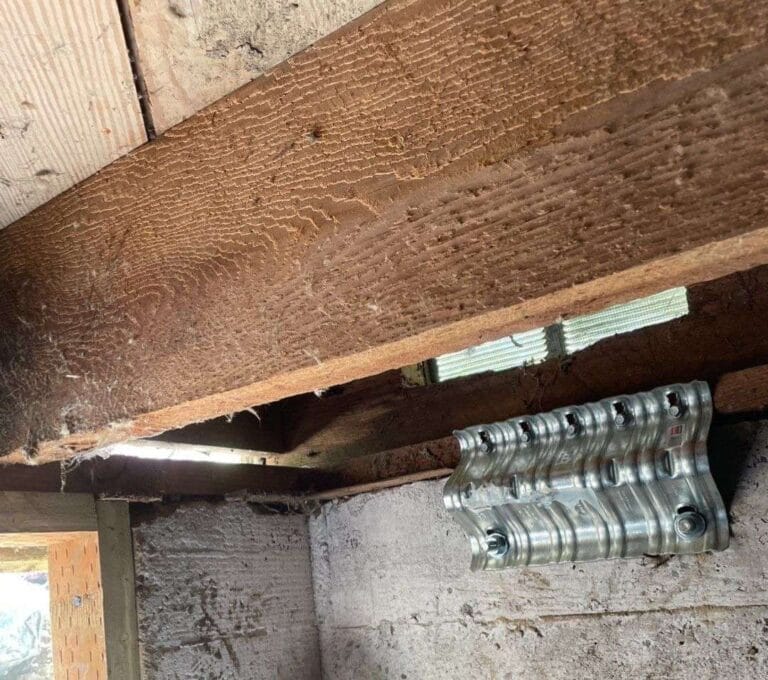
Wood rot is especially concerning because it can affect floor joists, beams, and support posts. These components help support the structure above the crawl space.
Signs of possible wood damage include:
- Soft or crumbling wood
- Dark staining on joists or beams
- Sagging floors
- Uneven flooring
- Gaps between floors and baseboards
- Bouncy or unstable walking areas
A wet crawl space repair Oregon specialist can inspect the damage and recommend the right repair plan.
Common Causes of Crawl Space Moisture in Oregon
Moisture issues can come from inside or outside the crawl space. In Oregon, the most common causes include:
Poor Drainage Around the Home
If water does not flow away from the foundation, it can seep into the crawl space.
Damaged or Missing Vapor Barrier
A crawl space vapor barrier helps block ground moisture from rising into the crawl space. If it is torn, thin, missing, or poorly installed, moisture can spread.
Open or Ineffective Crawl Space Vents
Vents may allow humid outside air into the crawl space, especially during wet seasons.
Plumbing Leaks
Small leaks from supply lines, drains, or fixtures can keep the crawl space damp.
Clogged Gutters and Short Downspouts
When roof water drains too close to the home, moisture can collect near the foundation.
Low or Uneven Crawl Space Soil
Soil inside the crawl space may allow water to pool instead of draining properly.
Risks of Ignoring a Wet Crawl Space
A wet crawl space in an Oregon home should not be ignored. Moisture issues can gradually affect the home’s comfort, efficiency, and structure.
Possible risks include:
- Mold and mildew growth
- Poor indoor air quality
- Wood rot and structural damage
- Pest and rodent activity
- Damaged insulation
- Higher energy bills
- Floor sagging or unevenness
- Foundation and support issues
Moisture can also reduce the performance of insulation. The U.S. Department of Energy notes that insulation works best when installed properly and protected from moisture. Learn more about home insulation and moisture.
How to Fix a Wet Crawl Space
The right solution depends on the cause and severity of the moisture problem. A professional inspection can identify whether the issue is coming from groundwater, poor drainage, plumbing leaks, humidity, or exposed soil.
Common repair solutions include:
Crawl Space Drainage System
A crawl space drainage system helps collect and direct water away from the crawl space. This may include interior drains, perimeter drainage, or grading improvements.
Crawl Space Sump Pump
A crawl space sump pump can remove collected water and discharge it safely away from the foundation. This is often recommended when water regularly enters or pools below the home.
Crawl Space Vapor Barrier
A crawl space vapor barrier covers exposed soil and helps reduce ground moisture. A properly installed barrier is one of the most important parts of crawl space moisture control.
Crawl Space Encapsulation
Crawl space encapsulation is a more complete moisture control solution. It typically includes sealing the crawl space with a heavy-duty liner, addressing air leaks, improving drainage, and helping manage humidity.
Structural Repairs
If moisture has damaged wood framing, joists, beams, or supports, Oregon crawl space repair may be needed to restore stability.
Should You Encapsulate Your Crawl Space?
Crawl space encapsulation, Oregon homeowners consider, is often a smart option when the crawl space has recurring moisture, musty odors, poor insulation performance, or humidity problems.
Encapsulation may help:
- Reduce moisture entering from the ground
- Improve indoor comfort
- Protect wood framing
- Reduce musty odors
- Support better energy efficiency
- Help prevent future crawl space moisture problems
Not every home needs full encapsulation, but many Oregon homes benefit from a sealed and protected crawl space because of the region’s moisture conditions.
Preventative Maintenance Tips for Oregon Homeowners
You can reduce the risk of a wet crawl space by staying ahead of moisture issues.
Helpful maintenance tips include:
- Clean gutters regularly
- Extend downspouts away from the foundation
- Keep soil graded away from the home
- Check for plumbing leaks
- Inspect crawl space vents and access doors
- Look for musty odors after heavy rain
- Replace damaged insulation
- Make sure the vapor barrier is intact
- Schedule inspections after major storms or before buying a home
Preventive care can help you avoid larger repairs later.
When to Schedule a Crawl Space Inspection
Schedule an inspection if you notice musty odors, standing water, sagging floors, wet insulation, mold, or signs of wood damage. You should also consider an inspection before selling or buying a home in Oregon.
Your Crawl Space Guys can inspect wet crawl spaces, identify the source of moisture, and recommend practical solutions such as drainage, vapor barriers, sump pumps, encapsulation, or structural repairs.
If you are concerned about crawl space moisture, schedule a professional crawl space inspection with Your Crawl Space Guys.
FAQ About Wet Crawl Spaces in Oregon
What are the signs of moisture in a crawl space?
Signs include musty odors, standing water, mold, mildew, wet insulation, condensation, sagging floors, wood rot, rust, and high indoor humidity.
Is water in a crawl space dangerous?
Water in a crawl space can become a problem if it remains there. It may lead to mold, wood rot, pest activity, poor indoor air quality, and structural damage.
What causes crawl space moisture in Oregon?
Oregon crawl space moisture is often caused by rainy weather, poor drainage, exposed soil, damaged vapor barriers, plumbing leaks, clogged gutters, or groundwater seepage.
How do you fix a wet crawl space?
Fixing a wet crawl space may involve drainage improvements, a crawl space sump pump, vapor barrier installation, crawl space waterproofing Oregon services, encapsulation, or structural repairs.
Does crawl space moisture affect indoor air quality?
Yes. Moisture, mold, mildew, and musty odors from the crawl space can affect the air that moves into the home.
Should I encapsulate my crawl space?
You should consider encapsulation if your crawl space has recurring moisture, musty smells, high humidity, damaged insulation, or standing water issues.
Can a wet crawl space damage a foundation?
Yes. Long-term moisture can contribute to wood rot, structural damage, soil movement, and foundation-related concerns if left unresolved.
How much does crawl space repair cost in Oregon?
The cost depends on the size of the crawl space, severity of moisture damage, drainage needs, vapor barrier requirements, encapsulation scope, and whether structural repairs are needed. A professional inspection is the best way to get an accurate estimate.